Restaurant sustainability: why it's all about the long term
18 October 2026 · 3 min read
Restaurant sustainability goes beyond buying local. Learn why long-term thinking about suppliers, team, waste and guests makes your business stronger.
When it comes to restaurant sustainability, most owners think of the menu: local vegetables, less meat, a line about the farmer down the road. Meanwhile, three years in, the business is in exactly the same place as on opening day. The team has turned over completely twice, and guests still don't know what sets you apart.
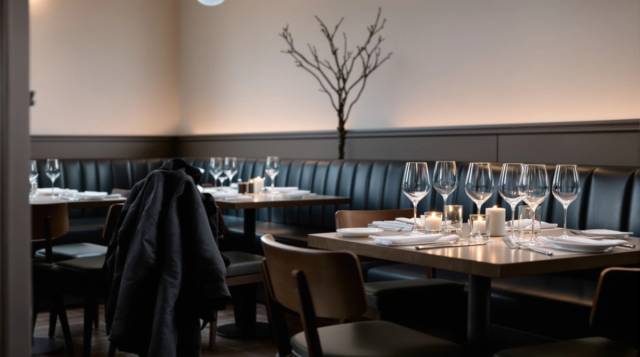
Syrco Bakker, chef at Syrco BASÈ, describes the pattern sharply. At most starred restaurants in the Netherlands and Belgium, you get what the guest expects: French style, white tablecloths, silver cutlery and the best products from all over the world. His verdict is that it's all rather predictable. For businesses with 1 to 10 locations and no star, the same thing happens, it just looks different. You copy what works for the place next door and hope it's enough to stand out.
In that model, sustainability becomes something for the menu, like a vegetarian option or a note on provenance. It gets noticed in the first season. After that it fades, because there's no structure behind that one dish. Suppliers change every quarter based on price, new cooks get two weeks of onboarding and the waste goes unsorted into the same bin. What guests write about you online is then mostly about price and waiting times. Nothing about what you do differently.
Sustainable means thinking in years
Bakker boils it down to a single definition: sustainability is long-term thinking. A lot follows from that. It's about more than the product. It's also about relationships with producers that you maintain for years, development programs for your own team and deliberate choices in how you manage waste. Seen this way, it's no longer a marketing theme. It becomes a way of running your business, and you only feel the effect after a few seasons.
What many owners underestimate: those long-term choices only pay off when they become visible. A guest who comes in three times a year and sees the same cheesemaker staying on the menu will write a review about it. A long-serving sous-chef who knows your guests by name earns better ratings than any campaign. Your online reputation is also built over the long term, one review at a time.
Four layers that reinforce each other
Building on Bakker's definition, we see four layers. The first two are internal, the last two are visible to guests. Layer one is your producers: steady relationships with agreements that outlast a single season. Layer two is your team: a development program, so your cooks are still with you a year from now. Layer three is your operations, with waste as the clearest example. Layer four is your reputation: what guests are still saying about you months later.
The layer almost everyone forgets
Restaurants working on sustainability almost always invest in the first three layers and neglect the fourth. Replying to reviews happens on Sunday evening, if at all. Asking for reviews never happens. The Google Business Profile looks exactly the way it did at opening. So you're doing the hard long-term work, but nobody sees it.
Why that layer delivers the most right now
For a group with 5 locations, the backlog builds up fast. Every week, each site receives reviews that need a response, and every guest who leaves happy but writes nothing is a missed opportunity. This is also the only part that lends itself well to automation. Reliable suppliers and a strong team are built by hand. Consistently asking for reviews, replying and making your work visible is something a system can take over every single day.
Show what you're already doing
A sustainable restaurant is about choices you stick with for years, not about that one dish on the menu. If you've got your suppliers, team and waste in good order, you deserve to have guests see it too. AfterTheTable builds AI agents for restaurants. They automatically ask for reviews, reply to them on Google and TripAdvisor and keep your Google Business Profile up to date. That way your reputation gets the same long-term attention the rest of your business already gets, without costing you extra evenings.
Topic:Sustainability
Video transcript
I felt always already connected with working with products around the restaurant. That's also what we did in Katsum with Yuseen. But also, well, we had to there provide a dining experience that fits with the idea of how Dutch or Belgian people see a Michelin-starred restaurant, which is, well, French-style restaurant, white tablecloths, silver cutlery.
The best products from all around the world. All these things are quite predictable in a way. And for me, it's...
I want just to go... I want to refresh and to go a layer deeper. And for me, sustainability is about long-term thinking.
And that's about... that's... and it's super diverse.
So that's long-term relations with the producers, but also creating development programs from our team. But also in sustainability, making choices how we do our waste management. Yeah, these things.