
Knowledge
Short answers
to questions restaurant owners ask.
Every page answers one question, with a video, the written transcript and the points that matter.
Running a restaurant in a recession: how do you survive?
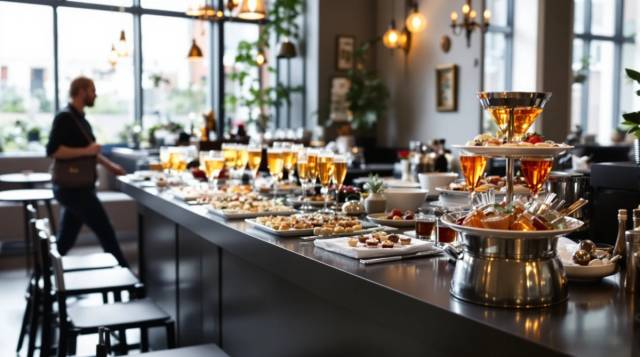
Running a restaurant in a recession means refreshing your concept in time, before guests start to drift away. When people spend less, regulars get used to what you offer and competitors copy it, even a successful concept loses its edge over time.
What does restaurant sustainability really mean?
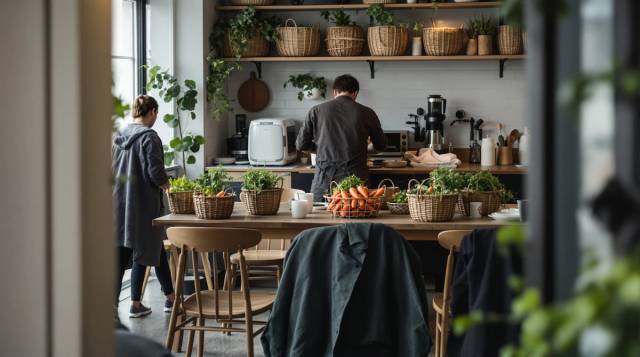
Restaurant sustainability is about long-term thinking: lasting relationships with producers, development programs for the team and deliberate choices in waste management. If you reduce restaurant sustainability to a green label on the menu, you miss two of those three layers. Guests notice the difference and mention it in their reviews.
Why are later dinner times becoming the norm?
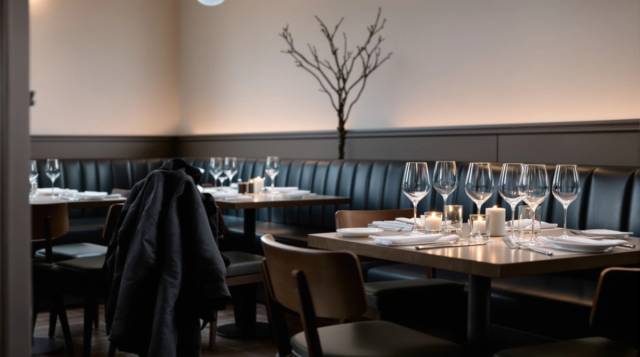
Later dinner times are taking hold, with dinner moving to 7 or 8 PM, because at today's prices guests who pay for a full three-course dinner want a full evening out to go with it. Eating early therefore calls for a different offer, such as quick, casual concepts. Restaurants that want to adapt to dinner shifting later in the evening need to rethink their offer, pricing and online visibility for each time slot.

Why does restaurant customer retention fail when one owner does it all?
Restaurant customer retention breaks down when one person has to carry the kitchen, marketing, systems and the guest experience all at once. According to Robin Vromans of BUNKR, you can't be good at everything. That's why BUNKR splits those roles among specialists, and why restaurants are increasingly handing repetitive work such as reviews and Google posts to AI agents.
Why do chefs leave Michelin-starred kitchens?
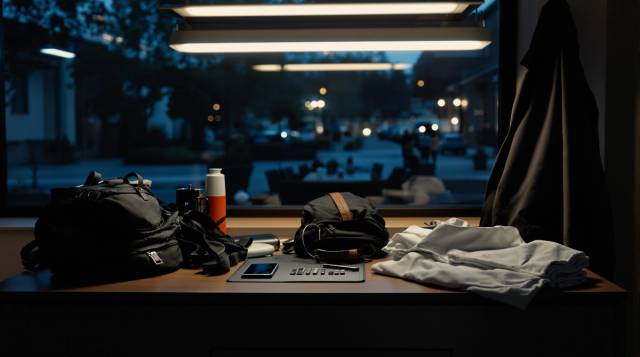
Chefs leave Michelin-starred kitchens because the work revolves around endless shifts with no free time, which makes travelling, networking and meeting new people almost impossible. At hotel school, chefs are taught that a Michelin-starred restaurant is the natural next step. Those who later open their own place face a new question: how do you build a business that doesn't swallow all your time again?

How does restaurant staff development work without pressure?
Restaurant staff development works best when the employee sets the goal, the steps and the timeline, and the leader simply supports them. Not everyone wants a promotion, and staff who are happy in their role bring stability to the kitchen. Good restaurant staff development is built on ownership, not on mandatory career moves.
How does a restaurant chain keep its restaurant brand identity across locations?
A restaurant chain protects its restaurant brand identity across locations by pairing a consistent guest experience with room for each site to have its own character, rather than cloning every branch. Guests who feel they are being steered through an overly rigid service plan lose interest. Identity at each location lives in the staff, the way you communicate and details like music volume, and those details should come through in reviews and online responses too.

How do you reduce restaurant purchasing costs?
You reduce restaurant purchasing costs by pulling everything you buy from your two or three regular suppliers into a single datasheet and analysing it line by line. Most restaurants already have this data. What's missing is someone who is given the time to sit down with it and use common sense to spot which products are being ordered from the wrong supplier.
How does a restaurant grow into a tour catering business?
A restaurant grows into a tour catering business when a single job is done so well that the client asks for more. Jeroen de Pauw of Canapé Apéro cooked one Michelin-level lunch for a music video shoot and was then asked to join the artist on tour for a year. Tour catering, in other words, starts with one job that beats what the client is used to, not with a business plan.
Leading restaurant staff: how do you take charge during a rush?
Leading restaurant staff works best when you first set clear boundaries and then let the team work freely within them. During a busy service, the leader takes the wheel and everyone sticks to their own task. That is how you keep chaos out.
Why do brunch restaurants in Amsterdam drop fixed meal times?
A brunch restaurant in Amsterdam lets go of fixed meal times because guests don't all have the same days off or the same weekend. Anyone who can't order lunch at 11 am yet, or who is already too late at 3 pm, simply walks back out the door. Brunch fills that gap and turns eating into a relaxed moment instead of a functional stop.

Why are your restaurant Google reviews falling behind?
Restaurant Google reviews fall behind because owners deliver hospitality, not data or review work. A chef or café owner belongs with the guests, not behind review dashboards, which is why software has to take that work over completely.
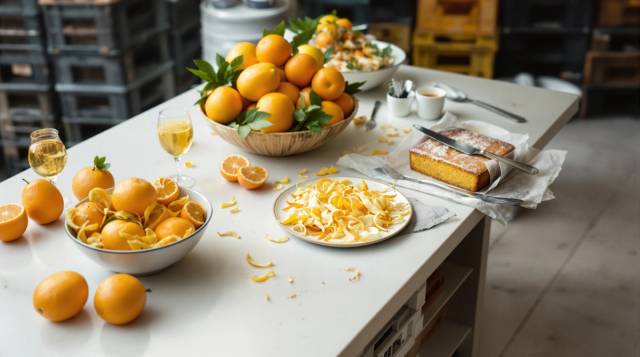
How does zero waste cooking make a restaurant more profitable?
Zero waste cooking makes a restaurant more profitable because ingredients that would normally end up in the bin, such as peels, become a dish you can sell. That is why chef Jeroen de Pauw of Canapé Apéro calls it a business model: every part of the product you buy can end up on the plate.
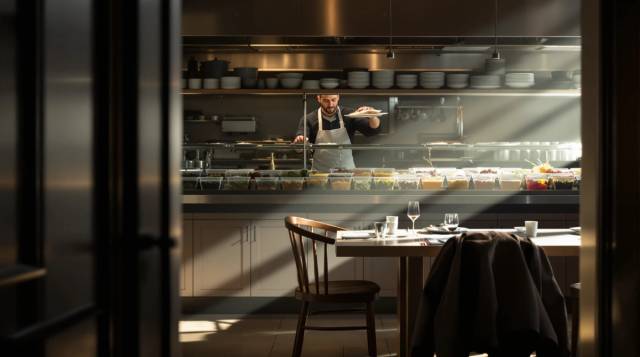
Restaurant staff shortage: what do you cut first?
When a restaurant staff shortage hits, the first thing to cut is the complexity no guest will miss: unnecessary elements on the plate and manual work outside the kitchen. A dish with 25 elements needs more hands every night than a dish built around one recognizable product. Losing staff doesn't automatically mean lower quality, but it does mean being sharper about where those hands go.

What does a low average spend per head mean for a restaurant?
A low average spend per head means a restaurant can only hit its revenue target with more guests and more table turns. A brunch concept aiming for €25 per person therefore needs far more new guests than a dinner restaurant working with €50 to €100. Most of those guests find the restaurant through search and reviews.
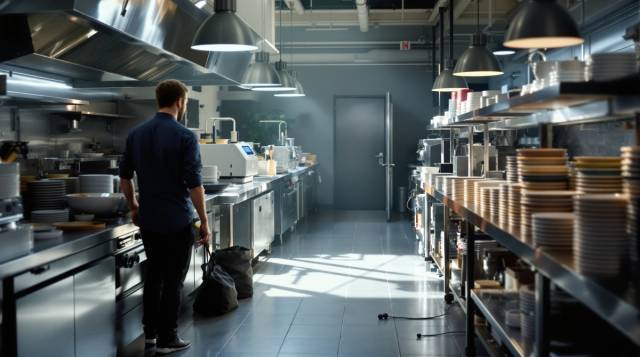
How do guests react to AI in restaurants?
Guest reactions to AI in restaurants tend to be extreme: people are either curious or fiercely against it, with hardly any middle ground. At BUNKR, billed as the first AI restaurant in the Netherlands, some guests openly said they hoped it would close within a month. Fellow restaurateurs, on the other hand, wanted to know what they could learn from it. That resistance is aimed mainly at visible technology at the table, and far less at AI working behind the scenes.
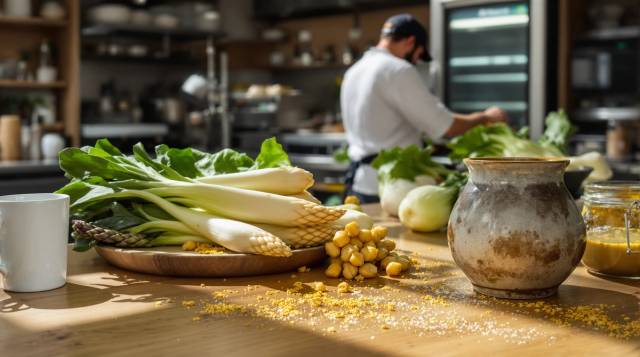
Why use local produce in your restaurant?
A restaurant that works with local produce supports nearby producers and gains a distinctive story that guests can't find anywhere else. That only brings in guests if the story is also visible online: in reviews, on the Google Business Profile and on the website.

Why are values-driven diners becoming the norm?
Values-driven diners are on the rise: more and more guests want to know where ingredients come from and what happens to the waste. According to chef Syrco Bakker, people in their twenties are already asking these questions, and in 10 years they will be your guests. What a restaurant shows online, in reviews, review responses and its Google profile, decides whether guests can actually find those values.
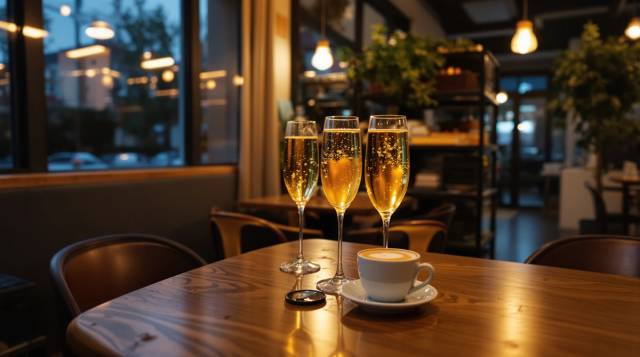
Why does a mimosa welcome drink work?
A mimosa welcome drink works because a few guests who say yes bring the rest of the room along with them. At Teds All Day Brunch, 2 out of every 10 guests say yes, and the other tables soon follow on their own. Many restaurants miss out on these sales because the welcome isn't standardised and every server does something different.
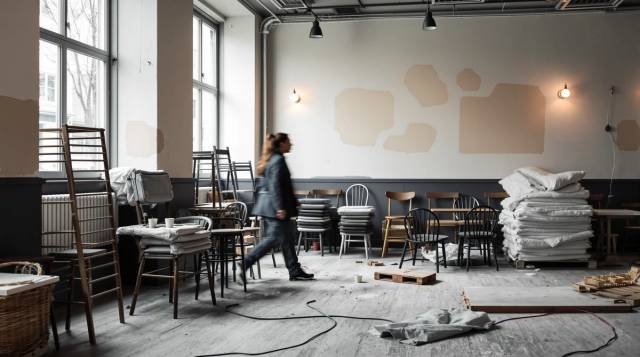
Why is failure as an entrepreneur part of the restaurant business?
Failure as an entrepreneur is part of the restaurant business, because you only learn from experiments that can also go wrong. According to Robin Vromans of BUNKR, the way you deal with failure determines whether you're cut out for entrepreneurship. If you expect every new attempt to succeed, you're not really testing anything new.
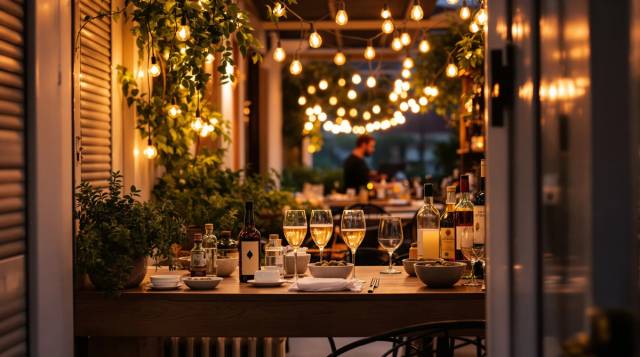
Why does an apero restaurant work as a lasting concept?
An apero restaurant works because the aperitif outlasts every food trend: molecular, vegan and future kitchen come and go, but apero stays. The concept itself is strong. What is often missing is visibility: guests searching for "apero" find the place with the most reviews, and the most recent ones, first.
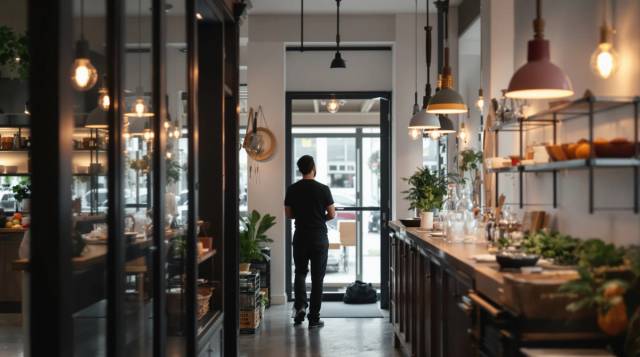
Why are so many independent restaurants closing in Belgium?
Independent restaurants are closing in Belgium because large food companies and entrepreneurs running 10, 15 or 20 identical concept restaurants are taking over the market. An independent restaurant invests up front in staff, food, furnishings and atmosphere without knowing how many guests will come or how much they will spend.
Restaurant repeat customers: why don't guests come back?
Guests often don't come back because, once the bill is paid, they no longer feel part of the restaurant. You build restaurant repeat customers by engaging guests: at the entrance, at the table and after the visit, through a review request or personal follow-up.

How do you build restaurant customer retention that brings guests back?
Restaurant customer retention starts at the end of the evening, at the moment a guest thinks: I want to come back next week, or when the next menu launches. Great food and great drinks lay the foundation. What happens afterwards (asking for feedback, responding to reviews and staying visible) determines whether that intention actually turns into a new booking.

Restaurant customer loyalty: how do staff build the real thing?
Restaurant customer loyalty comes from staff who are intrinsically motivated to look guests in the eye, make a connection and ask how they're doing. Technical skills can be taught. Genuine interest in guests can't. Some tasks strengthen guest loyalty and others get in its way: every hour spent behind a laptop is an hour taken away from the floor.
Why does restaurant customer loyalty stall?
Restaurant customer loyalty stalls the moment a restaurant keeps repeating what once worked instead of continuing to listen to what guests experience today. Chef Syrco Bakker puts it this way: when you know your guests, you automatically fall back on the same formula. Structured guest feedback after every visit breaks that cycle.
Why do restaurant Google reviews tell you so little about your business?
Restaurant Google reviews sit apart from your reservations, POS and purchasing, so they only tell part of the story. The average restaurant runs on separate systems for reservations, POS, finance and purchasing, with no layer that connects them. AI agents make that data understandable and link reviews to what is actually happening in the restaurant.
Why are people eating out with friends less often?
People are eating out with friends less often because, for many young people, chatting on Instagram or Snapchat feels like meeting up. Restaurants that put that social moment back at the center, and are visible where guests search, win those guests back.

Restaurant customer retention: why don't guests come back?
Guests come back for a smile, but they'll only go out of their way for something on the plate they can't get anywhere else. Good restaurant customer retention therefore needs two layers: service that builds loyalty among locals, and a signature that draws guests from further afield. On top of that, every visit has three moments that decide whether a guest returns: the welcome, an unexpected surprise and the goodbye.
How do staff drive restaurant guest retention from minute one?
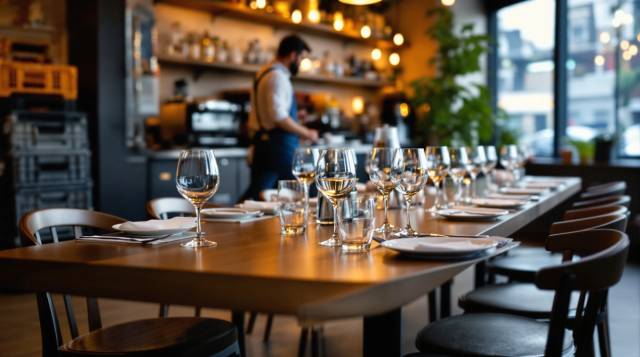
Restaurant guest retention starts with a service rule that gives staff something solid to hold on to from the very first moment: every guest has a drink within 3 minutes. Building guest loyalty through your team takes a service plan in which every choice, from the coffee machine to the order of taking orders, is aligned with everything else, and which gets reviewed every month.
Why doesn't restaurant review management work without an open feedback culture?
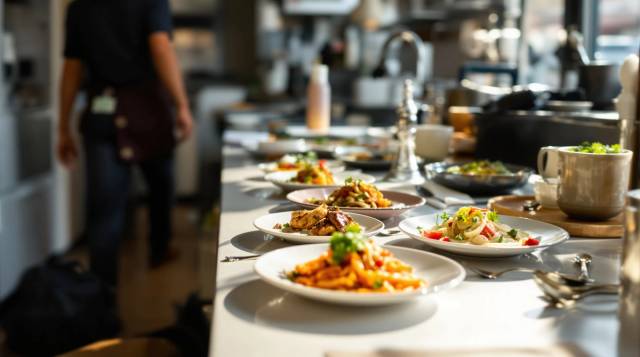
Restaurant review management only works when a restaurant treats feedback as input for the product, not as a reputation risk to be polished away. Top chef Syrco Bakker has his team improve dishes using techniques from other kitchens and family recipes. The same mindset applies to guest reviews: restaurants that collect and act on feedback systematically end up with a better menu and a stronger Google ranking.
Restaurant technology: does it belong at the table or behind the scenes?
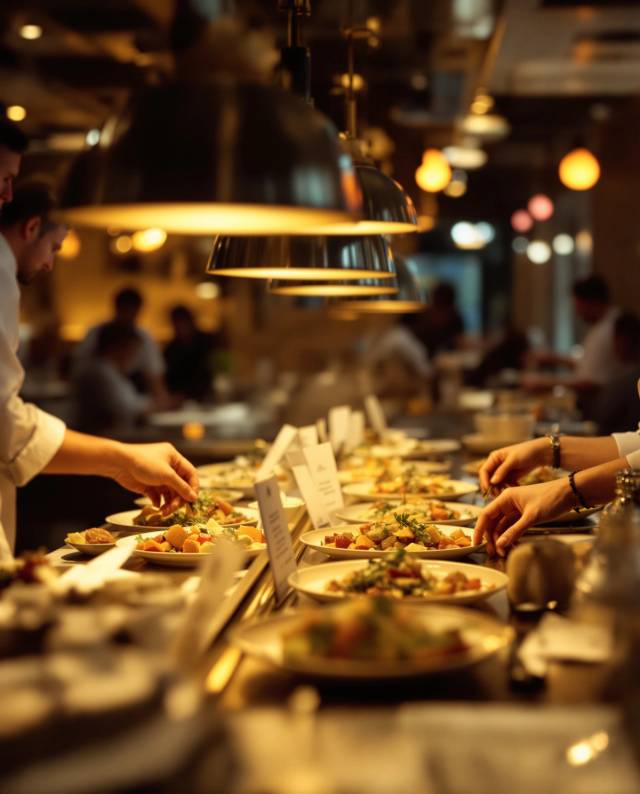
Behind the scenes, says Robin Vromans of BUNKR in Eindhoven, the first AI restaurant in the Netherlands. That's where restaurant technology delivers the most: usable data, accurate cost prices for every dish and cocktail, and a clear view of your entire business. At the table, technology mainly suits casual concepts where guests spend less.
Try it on your own restaurant first.
Three days free. No login, nothing to install.